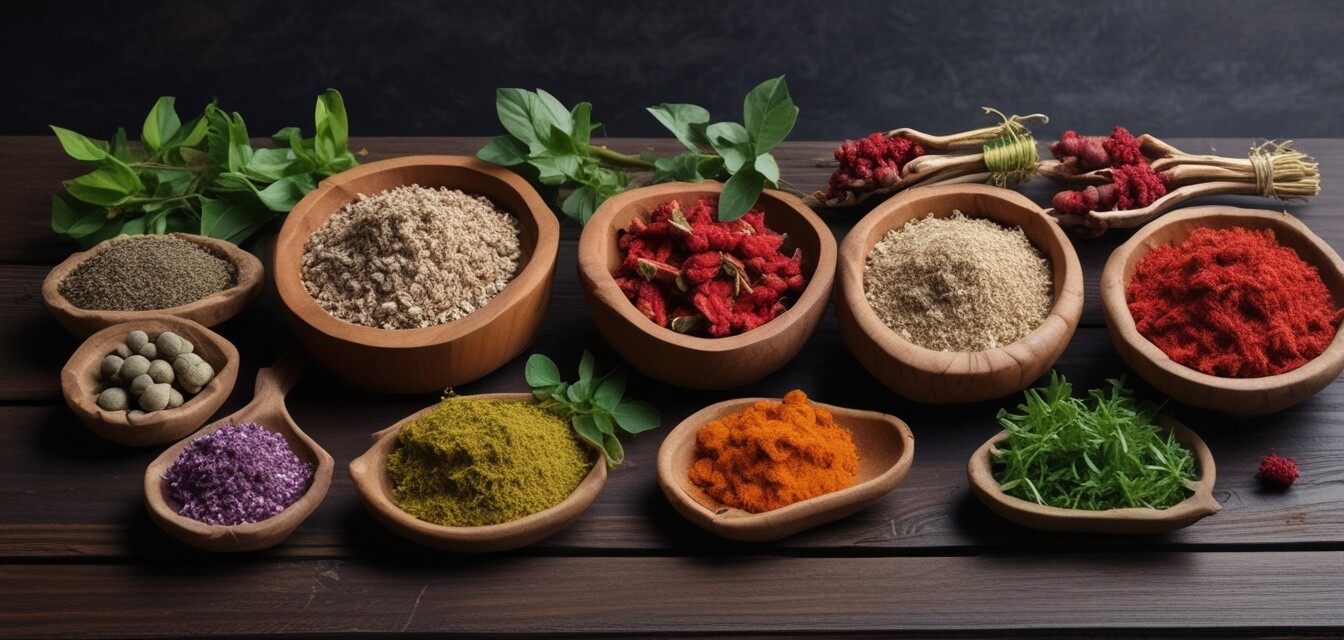
The Essential Guide to Adaptogenic Herbs for Beginners
Key Takeaways
- Adaptogenic herbs help balance cortisol levels and manage stress.
- Understanding the unique properties of each herb can guide your choice.
- Choosing the right form and dosage is crucial for effectiveness.
- Incorporating these herbs into your daily routine is easy with various consumption methods.
- Start with one or two herbs and monitor your body's response.
Adaptogenic herbs are gaining traction as natural solutions to help manage stress and promote overall well-being. This guide will explore various lesser-known adaptogenic herbs, their benefits, uses, and how to incorporate them into your daily life. Whether you are a novice or have some experience, this article provides valuable insights to guide your journey into the world of adaptogenic herbs.
What Are Adaptogenic Herbs?
Adaptogenic herbs are a special group of plants that help the body adapt to stress, enhance resilience, and maintain balance. They work by supporting the adrenal glands and regulating cortisol levels, which can improve mental and physical health. Some well-known adaptogens include ashwagandha, ginseng, and holy basil.
Types of Adaptogenic Herbs
Here, we'll delve into some lesser-known adaptogenic herbs that you might consider incorporating into your wellness routine:
| Herb | Type | Primary Benefits |
|---|---|---|
| Rhodiola Rosea | Root | Enhances physical stamina |
| Maca Root | Root | Supports energy and mood |
| Licorice Root | Root | Supports adrenal function |
Benefits of Adaptogenic Herbs
Adaptogenic herbs offer a range of potential benefits, including:
- Improved stress management
- Enhanced energy levels
- Support for adrenal health
- Balanced hormonal responses
- Improved mental clarity and focus
How to Incorporate Adaptogenic Herbs into Your Routine
Incorporating adaptogenic herbs into your daily routine can be easy and enjoyable. Here are some popular methods:
- Tea: Many herbs can be steeped as tea. Try brewing rhodiola rosea or maca root tea.
- Powder form: Add powdered herbs to smoothies or oatmeal for a nutritious boost.
- Capsules: For convenience, many opt for capsule forms of adaptogenic herbs available on the market.
- Tinctures: Liquid extracts can provide a concentrated dose of the herb.
Choosing the Right Adaptogenic Herb
When selecting adaptogenic herbs, consider the following:
- Assess your specific needs. Are you looking to boost energy, manage stress, or support overall health?
- Research the properties and benefits of each herb.
- Consider any potential side effects and interact with your healthcare provider if necessary.
- Start with one herb at a time to monitor your response.
Pros
- Natural way to manage stress
- Wide variety of herbs to choose from
- Can enhance overall well-being
Cons
- Effects may vary from person to person
- Some herbs may interact with medications
- Research is limited on long-term effects
Potential Side Effects of Adaptogenic Herbs
It's essential to be aware of potential side effects associated with adaptogenic herbs. These can include:
- Insomnia or restlessness (especially with stimulatory adaptogens)
- Gastrointestinal disturbances
- Hormonal imbalances if taken excessively
Always consult with a healthcare provider before starting any new supplement, especially if you are on medication or have underlying health conditions.
Conclusion
Adaptogenic herbs provide a promising avenue for individuals looking to manage stress and maintain balance in their lives. By understanding the unique properties of these herbs and how to use them effectively, you can take proactive steps towards your well-being. As you explore these natural remedies, consider starting with ones that resonate with your personal health goals and integrate them gradually into your routine for the best results.
Learn More
If you’d like to explore specific adaptogenic options or need guidance on choosing the right herbs for your needs, visit our Buying Guides page.