Ginseng variants
Key Takeaways
- Ginseng comes in various forms, each with unique properties.
- Understanding the differences can help in choosing the right variant for adrenal health.
- Common types include American Ginseng, Asian Ginseng, and Siberian Ginseng.
- Each type may influence cortisol levels differently.
- Consultation with a healthcare provider is recommended before use.
Ginseng has long been revered for its potential benefits, especially in relation to stress management and adrenal health. In this article, we will explore the different types of Ginseng, their unique properties, and how they may support your overall well-being.
What is Ginseng?
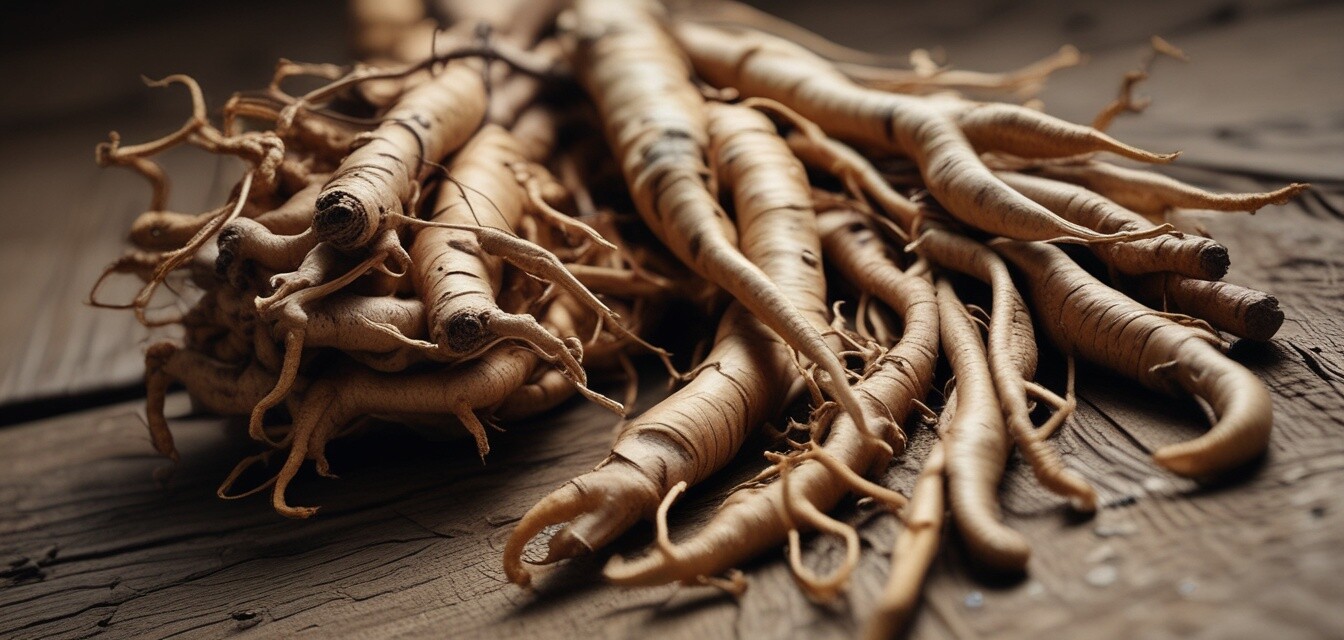
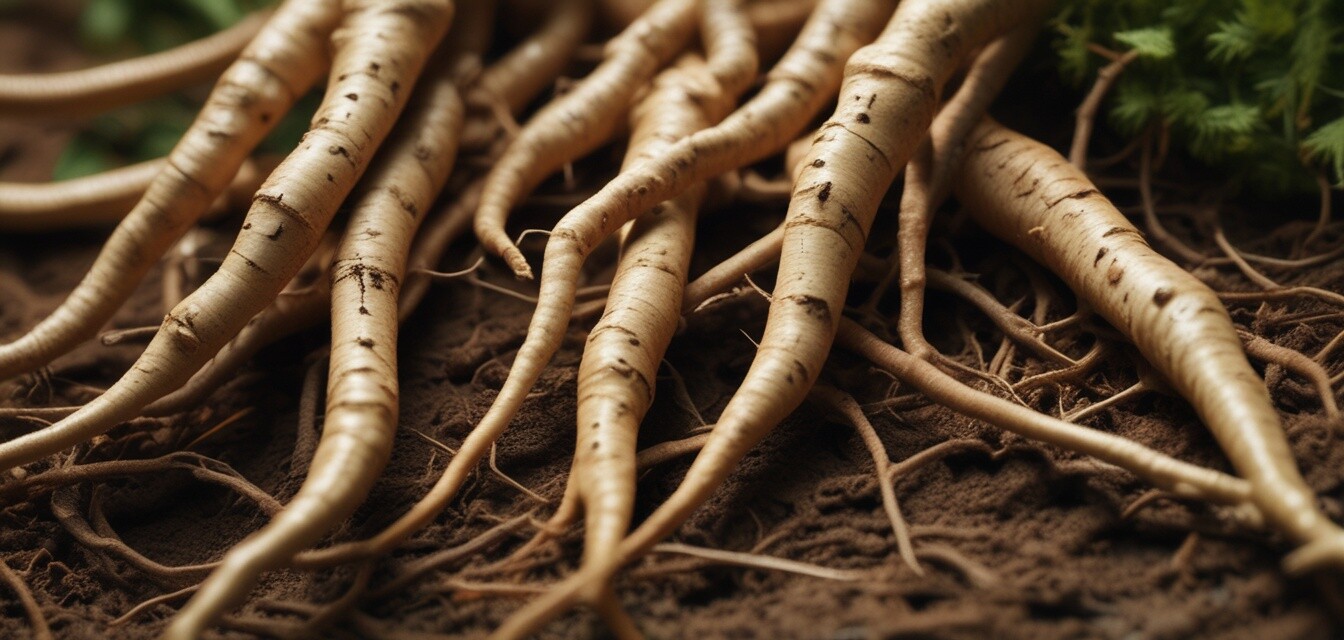
Ginseng is a group of flowering plants belonging to the genus Panax. The most common types are American Ginseng (Panax quinquefolius) and Asian Ginseng (Panax ginseng). Known for centuries in traditional medicine, Ginseng is often associated with enhancing energy and aiding stress relief.
Types of Ginseng
Below is an overview of the main types of Ginseng and their characteristics:
| Type of Ginseng | Scientific Name | Origin | Key Characteristics |
|---|---|---|---|
| American Ginseng | Panax quinquefolius | North America | Considered milder, often used for relaxation and recovery. |
| Asian Ginseng | Panax ginseng | East Asia | More stimulating, known for enhancing energy and focus. |
| Siberian Ginseng | Eleutherococcus senticosus | Siberia | Not true Ginseng, but often used for its adaptogenic properties. |
American Ginseng
American Ginseng is known for its calming properties. It is often favored for those looking to manage stress and support adrenal health.
Potential benefits
American Ginseng is commonly associated with the following:
- Promoting relaxation.
- Supporting immune function.
- Enhancing cognitive performance.
Asian Ginseng
Asian Ginseng is more potent and is often used for its stimulating effects on energy levels and mental clarity.

Potential benefits
Asian Ginseng is frequently linked to:
- Boosting energy.
- Enhancing focus and concentration.
- Supporting physical performance.
Siberian Ginseng
Though not a true Ginseng, Siberian Ginseng is often included in discussions due to its adaptogenic properties, helping the body cope with stress.

Potential benefits
Siberian Ginseng may be associated with:
- Improving physical endurance.
- Enhancing the body's resilience to stress.
- Supporting overall well-being.
Comparison of Ginseng Types
| Type of Ginseng | Effect on Energy | Effect on Relaxation | Recommended Use |
|---|---|---|---|
| American Ginseng | Low | High | Stress management |
| Asian Ginseng | High | Low | Energy boost |
| Siberian Ginseng | Moderate | Moderate | Adaptogen |
How to Choose the Right Ginseng
When selecting a Ginseng supplement, consider the following factors:
- Your specific health goals.
- The source and quality of the Ginseng.
- Any potential interactions with medications.
- Consultation with a healthcare provider for personalized advice.
Tips for Beginners
- Start with a lower dosage to assess your body's response.
- Look for standardized extracts to ensure quality.
- Be consistent with usage for best results.
- Stay hydrated and maintain a balanced diet while using Ginseng.
Conclusion
Choosing the right type of Ginseng can greatly influence your approach to managing stress and supporting adrenal health. Understanding the distinct properties of each variant can guide you in making an informed decision. For more insights on Ginseng and other adaptogenic herbs, visit our Ginseng herbal products page.
Pros
- Diverse options for different needs.
- Natural adaptogens may support stress relief.
- Widely available in various forms.
Cons
- Effects may vary based on individual response.
- Potential interactions with medications.
- Quality can vary between brands.
Further Reading
If you're interested in learning more about adaptogenic herbs, check out our articles on: