Understanding Cortisol
Cortisol is a vital hormone produced by the adrenal glands, playing a key role in various bodily functions. Understanding its significance, the effects of imbalance, and how to manage its levels can contribute to overall well-being. This article will delve into the essentials of cortisol, its effects on the body, and ways to maintain healthy levels.
Key Takeaways
- Cortisol is known as the "stress hormone," but it has numerous functions in the body.
- Imbalance in cortisol levels can lead to various health issues.
- Adaptogenic herbs, such as ashwagandha and rhodiola, may help support cortisol balance.
- Healthy lifestyle choices, including diet and exercise, play a significant role in cortisol management.
What is cortisol?
Cortisol is a steroid hormone produced by the adrenal glands, which sit atop each kidney. It plays a crucial role in several bodily functions, including:
- Regulating metabolism
- Controlling blood sugar levels
- Reducing inflammation
- Assisting in memory formulation
- Regulating blood pressure
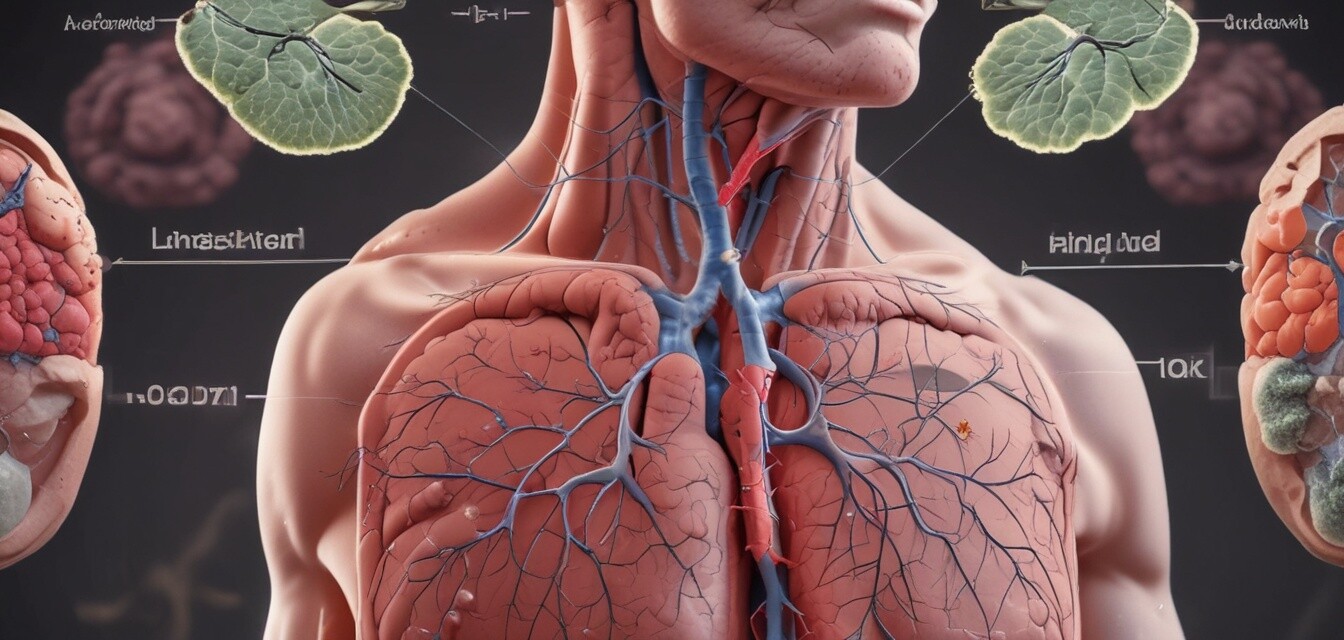
The role of cortisol in the body
Cortisol is often referred to as the "fight or flight" hormone. It is released in response to stress and helps the body manage stressful situations. Here are some of its key roles:
- Energy regulation: Cortisol helps to convert fats, proteins, and carbohydrates into energy.
- Immune response: It plays a role in modulating the immune system, helping to manage inflammation.
- Blood sugar control: Cortisol assists in maintaining blood sugar levels by stimulating gluconeogenesis.
- Fluid balance: It helps regulate the balance of salts and fluids in the body.
Effects of cortisol imbalance
Maintaining balanced cortisol levels is essential for health. Both high and low levels can lead to various health issues:
| Cortisol Level | Potential Effects |
|---|---|
| High cortisol | Weight gain, high blood pressure, anxiety, disrupted sleep patterns, and increased risk of chronic diseases. |
| Low cortisol | Fatigue, low blood pressure, weight loss, mood changes, and difficulty managing stress. |
How to manage cortisol levels
Managing cortisol levels effectively can lead to improved health and well-being. Here are some strategies:
- Diet: Incorporate whole foods, healthy fats, and lean proteins, while reducing sugar and processed foods.
- Exercise: Regular physical activity, especially aerobic exercises, can help lower cortisol levels.
- Sleep: Prioritize quality sleep to support adrenal health and cortisol balance.
- Meditation and mindfulness: Stress-reduction techniques can help lower cortisol levels.
- Adaptogenic herbs: These include ashwagandha and rhodiola, which may help support adrenal health.
Pros
- Supports energy regulation
- Helps manage stress effectively
- May improve overall health when balanced
- Can enhance cognitive function
Cons
- High levels can lead to various health issues
- Low levels can cause fatigue and mood changes
- Requires lifestyle changes that may be challenging
Understanding adaptogenic herbs
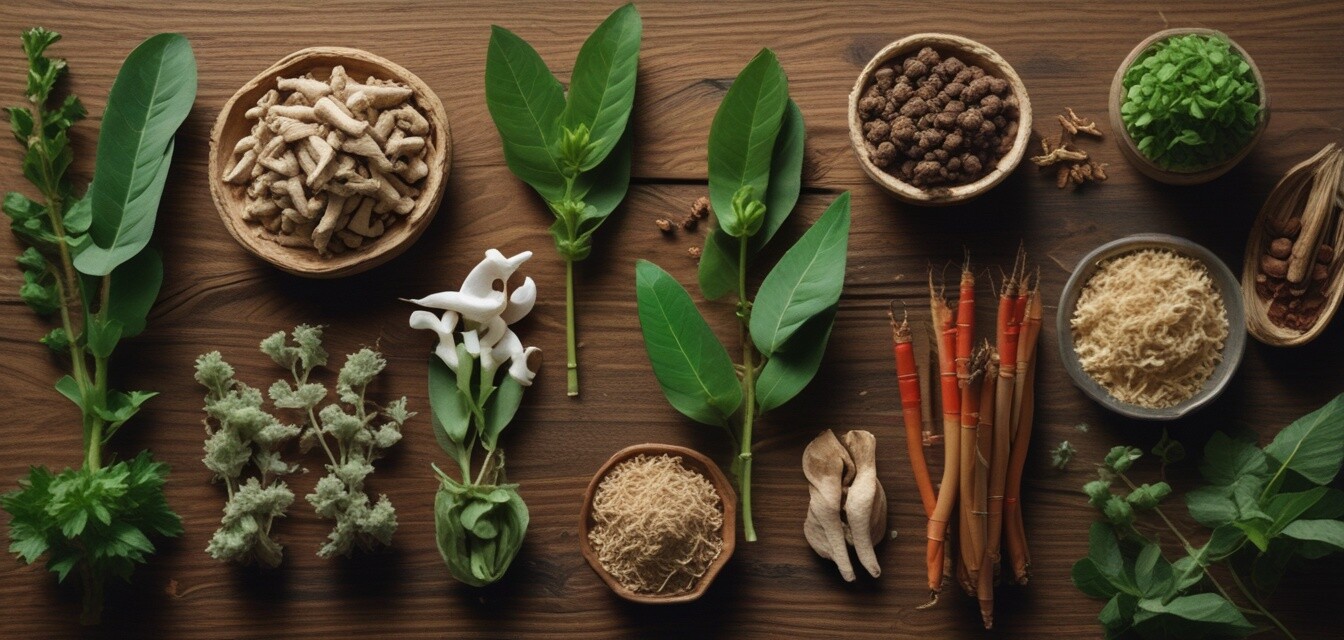
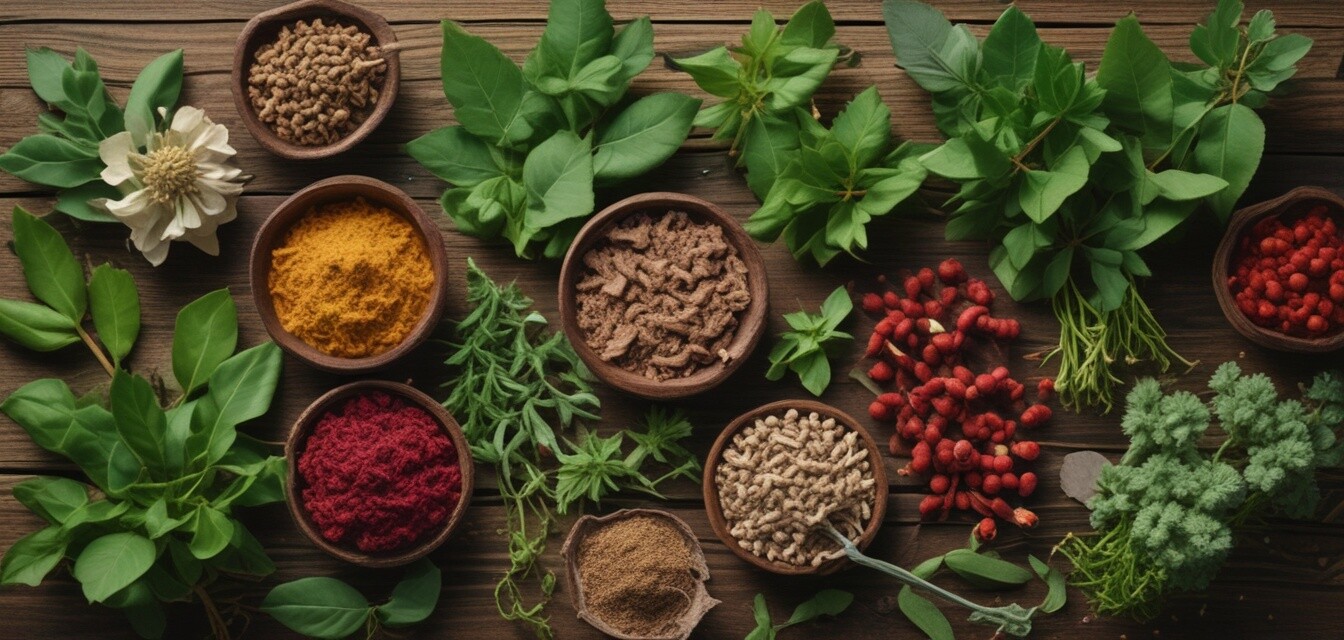
Adaptogenic herbs are natural substances that may help the body adapt to stress and promote balance. Here are some popular adaptogenic herbs:
| Herb | Benefits | Usage |
|---|---|---|
| Ashwagandha | May help reduce anxiety and improve energy levels. | Available in powder, capsule, or tincture form. |
| Rhodiola | Supports stamina and may enhance mood. | Often available as capsules or extracts. |
| Holy Basil | May help with stress and promote relaxation. | Commonly found as a tea or supplement. |
| Maca Root | Supports energy and hormonal balance. | Available in powder or capsule form. |
| Licorice Root | May support adrenal health. | Available as tea or extract. |
Conclusion
Understanding cortisol and its functions is essential for maintaining optimal health. By managing stress through lifestyle choices and incorporating adaptogenic herbs, individuals can support their adrenal health and promote balance. For more information on specific supplements, explore our categories on ashwagandha, ginseng, holy basil, licorice root, maca root, and rhodiola rosea.