Introduction to Adaptogenic Herbs
Key Takeaways
- Adaptogenic herbs help the body manage stress and balance cortisol levels.
- These herbs have a rich history in traditional medicine, particularly in Ayurveda and Traditional Chinese Medicine.
- Common adaptogens include ashwagandha, ginseng, holy basil, and rhodiola.
- Incorporating adaptogenic herbs into daily routines can be beneficial for overall wellness.
Adaptogenic herbs have gained popularity in recent years as a natural way to support the body’s response to stress. This article explores the fascinating world of these herbs, their history, benefits, and their role in maintaining cortisol balance.
What are adaptogenic herbs?
Adaptogenic herbs are natural substances that help the body adapt to stressors. They work by modulating the body’s stress response and promoting homeostasis. By doing so, they can support various bodily functions, including hormone regulation and immune response.
History of adaptogenic herbs
Adaptogens have been used for centuries in traditional medicine. Here’s a brief overview of their historical context:
| Herb | Origin | Traditional Use |
|---|---|---|
| Ashwagandha | India | Used in Ayurveda for stress relief and vitality. |
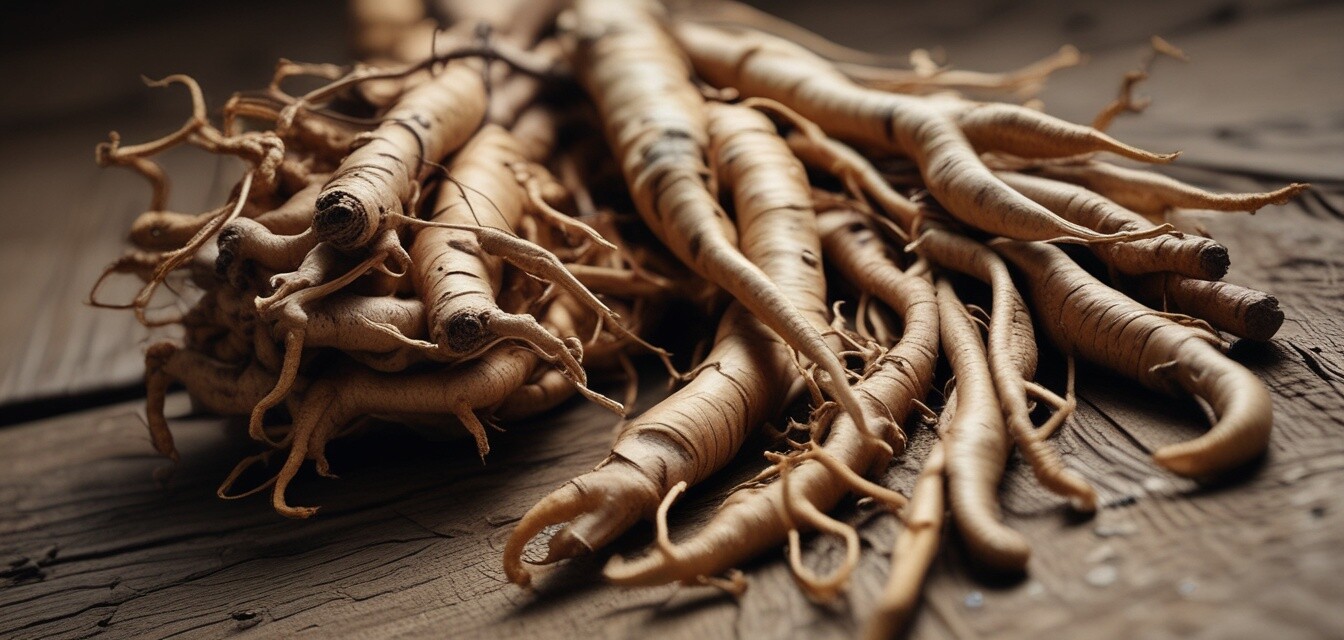
| Ginseng | China | Utilized in Traditional Chinese Medicine for energy and longevity. |
| Holy Basil | India | Revered as a sacred herb, used for overall wellness. |
| Rhodiola | Siberia | Traditionally used to enhance endurance and reduce fatigue. |
Benefits of adaptogenic herbs
While scientific research is ongoing, many people have reported various benefits from using adaptogenic herbs. Some of the potential benefits include:
- Enhanced energy and endurance
- Reduction in anxiety and stress levels
- Improved mental clarity and focus
- Support for immune function
- Better hormonal balance
How do adaptogens work?
Adaptogens are believed to work by influencing the hypothalamic-pituitary-adrenal (HPA) axis, a central part of the body's stress response system. They may help regulate the release of stress hormones like cortisol, assisting the body in maintaining balance during stressful situations.
Common adaptogenic herbs
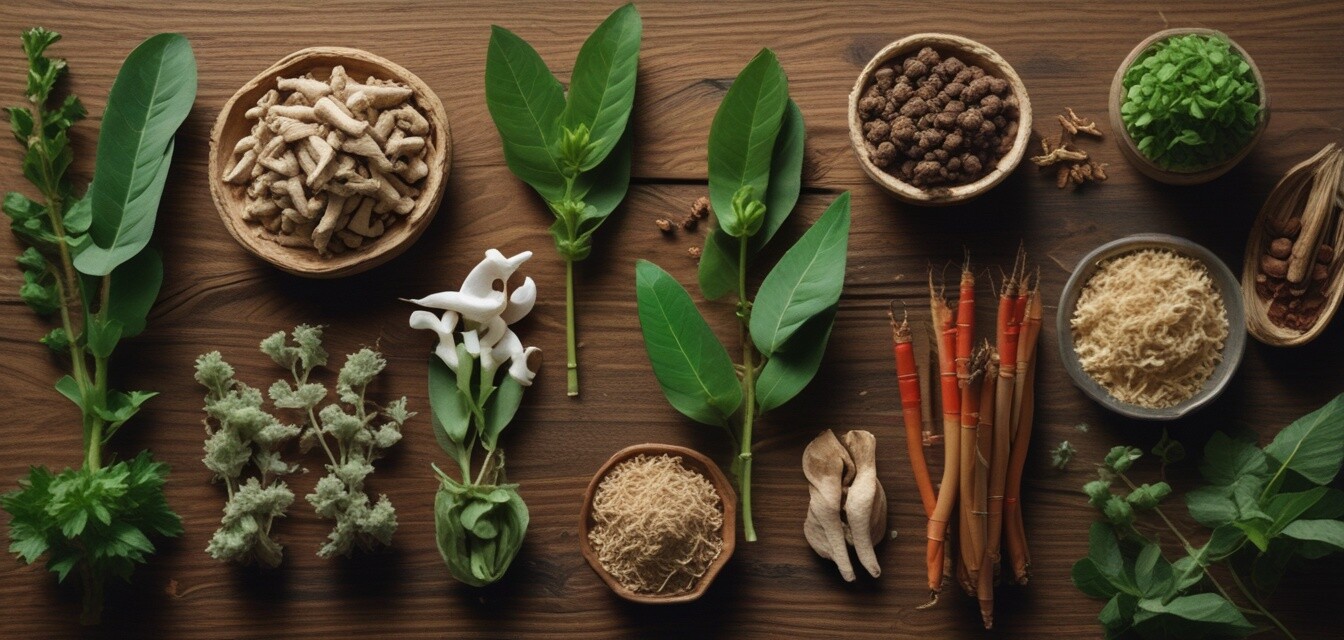
Here are some of the most popular adaptogenic herbs and their traditional uses:
| Herb | Common Uses | Forms Available |
|---|---|---|
| Ashwagandha | Stress relief, energy boost | Powder, capsules, tinctures |
| Ginseng | Energy, cognitive function | Teas, capsules, extracts |
| Holy Basil | Stress management, immune support | Teas, capsules, extracts |
| Rhodiola | Fatigue reduction, mood enhancement | Capsules, extracts, teas |
Incorporating adaptogens into your routine
Integrating adaptogenic herbs into your daily life can be simple. Here are some tips:
Tips for beginners
- Start with one herb at a time to monitor its effects.
- Consider different forms such as teas, capsules, or powders based on your preference.
- Consult with a healthcare professional before starting any new supplements, especially if you have existing health conditions.
- Incorporate them into your meals or beverages, like smoothies or herbal teas.
Potential side effects
While adaptogenic herbs are generally considered safe for most people, some may experience side effects. It’s important to be aware of potential reactions:
- Digestive upset
- Headaches
- Insomnia if taken in excess
- Possible allergic reactions
Consulting a professional
Always consider consulting a healthcare professional before introducing new herbs into your regimen, especially if you are pregnant, nursing, or taking medication.
Conclusion
Adaptogenic herbs present a fascinating approach to managing stress and supporting overall wellness. With a rich history and a variety of options available, they may offer a natural way to help your body adapt to life's challenges. As you explore these herbs, keep in mind the importance of balance and moderation.
Pros
- Natural way to support stress management
- Rich in traditional use and cultural significance
- Variety of forms available for different preferences
- Potential for enhanced energy and focus
Cons
- Possible side effects in some individuals
- Limited scientific research on specific benefits
- Quality and potency may vary between products
- Not a substitute for medical treatment

Learn more about adaptogenic herbs
If you’re interested in exploring specific adaptogenic herbs, check out our detailed guides on the following:
- Ashwagandha supplements
- Ginseng herbal products
- Holy basil extracts
- Licorice root supplements
- Rhodiola rosea products